
FAQ
Frequently asked questions
Mount Ararat:
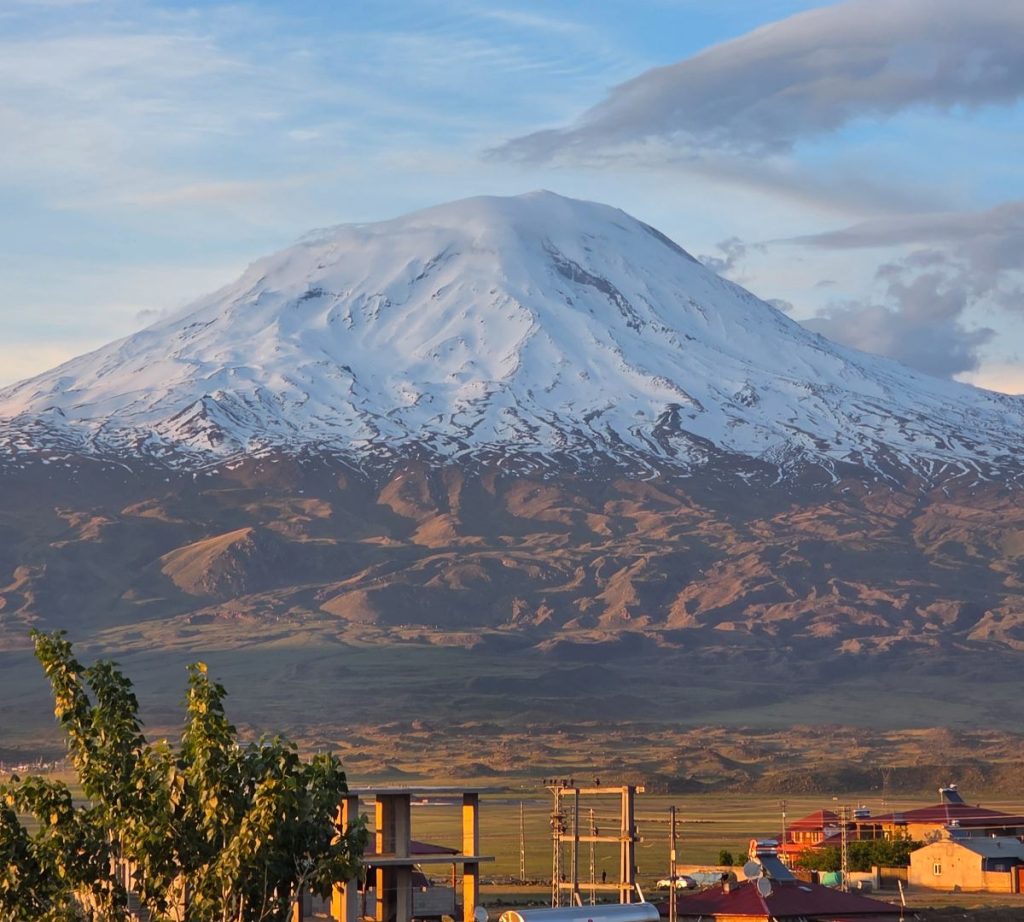
What is Mount Ararat, and why is it a popular hiking destination?
Mount Ararat is the highest peak in Turkey and is steeped in the legend of Noah’s Ark. Its majestic appearance and historical significance make it one of the most sought-after destinations for mountaineers.
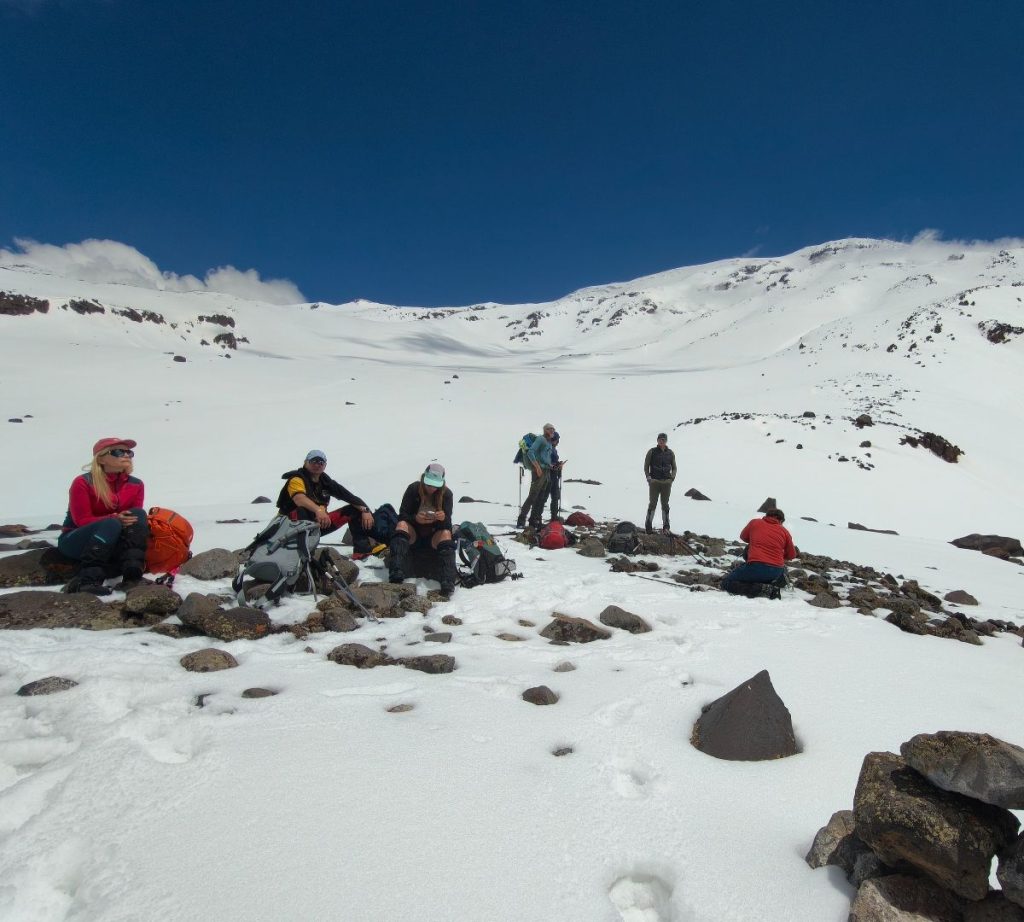
What is the difficulty level of climbing Mount Ararat? Climbing Mount Ararat does not require advanced technical climbing skills, but it does demand good physical fitness and proper acclimatization. The route is technically relatively easy, though altitude-related challenges should be expected due to the mountain’s height.
Can I climb Mount Ararat alone?
It is not possible to climb Mount Ararat without a local guide and a permit. You must use a local company, which coordinates with the military to secure the necessary permits.
When is the best time to climb Mount Ararat?
The best time for the climb is during the summer, from June to September. Weather conditions are more stable during this period, and there is sufficient snow to aid with navigation.
How long does a trip to Mount Ararat take?
A standard expedition to Mount Ararat lasts approximately 10 to 12 days, including travel, acclimatization, and the summit ascent.
What documents are required to climb Mount Ararat?
You will need a valid passport, travel insurance covering high-altitude expeditions, and a climbing permit, which the expedition organizer will arrange for you.
Preparations:
What equipment is needed to climb Mount Ararat?
Essential gear includes trekking boots, crampons, warm clothing, a sleeping bag, sleeping mats, a headlamp, sunglasses, UV protection, and a first-aid kit. We will provide a complete list once you decide to join us.
How should I prepare physically for the expedition?
To prepare physically, it is advisable to regularly engage in activities such as running, hiking, or cycling. Strengthening your upper body muscles and improving your aerobic capacity are also important.
Is mountaineering experience necessary?
It is not required, though it is a significant advantage. Good physical fitness and a willingness to push yourself are more important.
Will there be access to drinking water during the expedition?
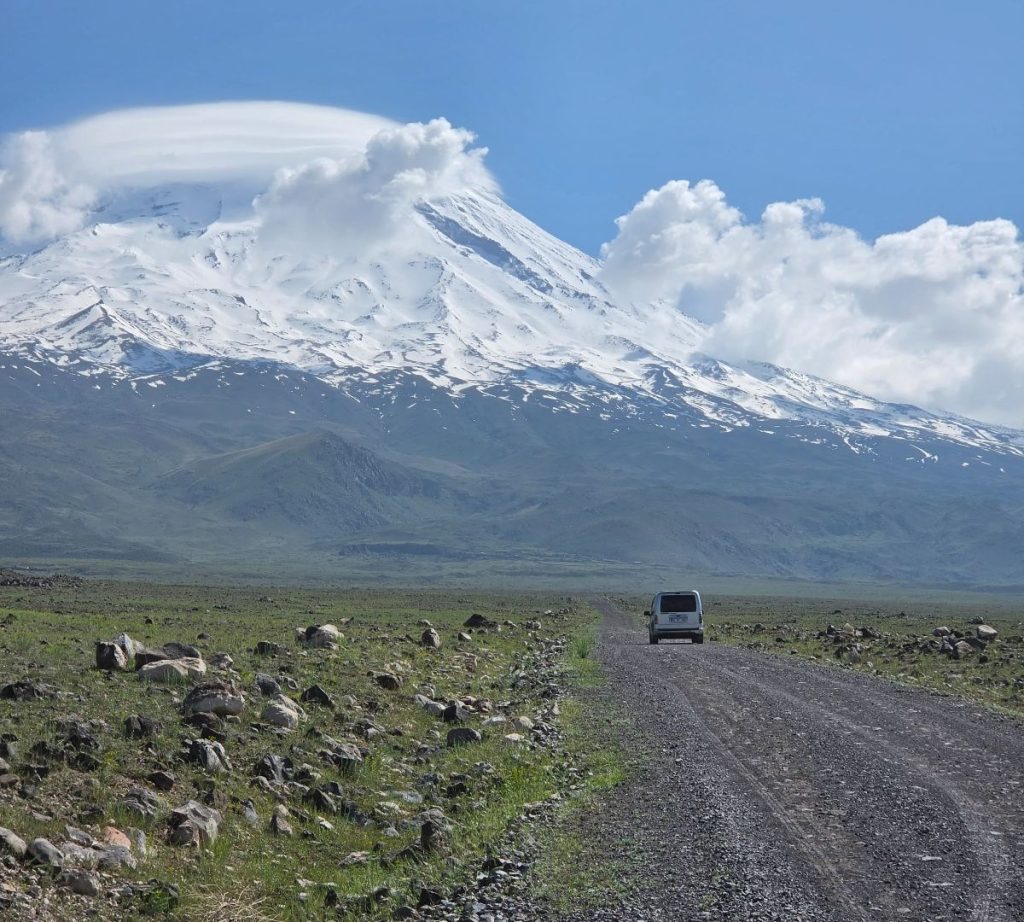
There is no source of drinking water on Mount Ararat. Our base camp has access to running water, but drinking water is supplied by Ararat Travel via regular deliveries from Dogubayazit.
What are the risks associated with climbing Mount Ararat?
The main risks are changing weather conditions and altitude sickness.
Expedition:
What is a typical day like on an expedition to Mount Ararat?
A typical day begins early in the morning with breakfast, followed by a hike to the next camp. The afternoon is reserved for rest and acclimatization. The summit ascent usually takes place at night.
Will there be mountain guides during the expedition?
Yes, experienced mountain guides will be present to ensure safety and help overcome any challenges. Climbing Mount Ararat without a guide is impossible.
What is the food like during the expedition?
Meals are prepared by local cooks. Snacks, coffee, and tea are available at all times. Packed lunches are provided for the hikes.
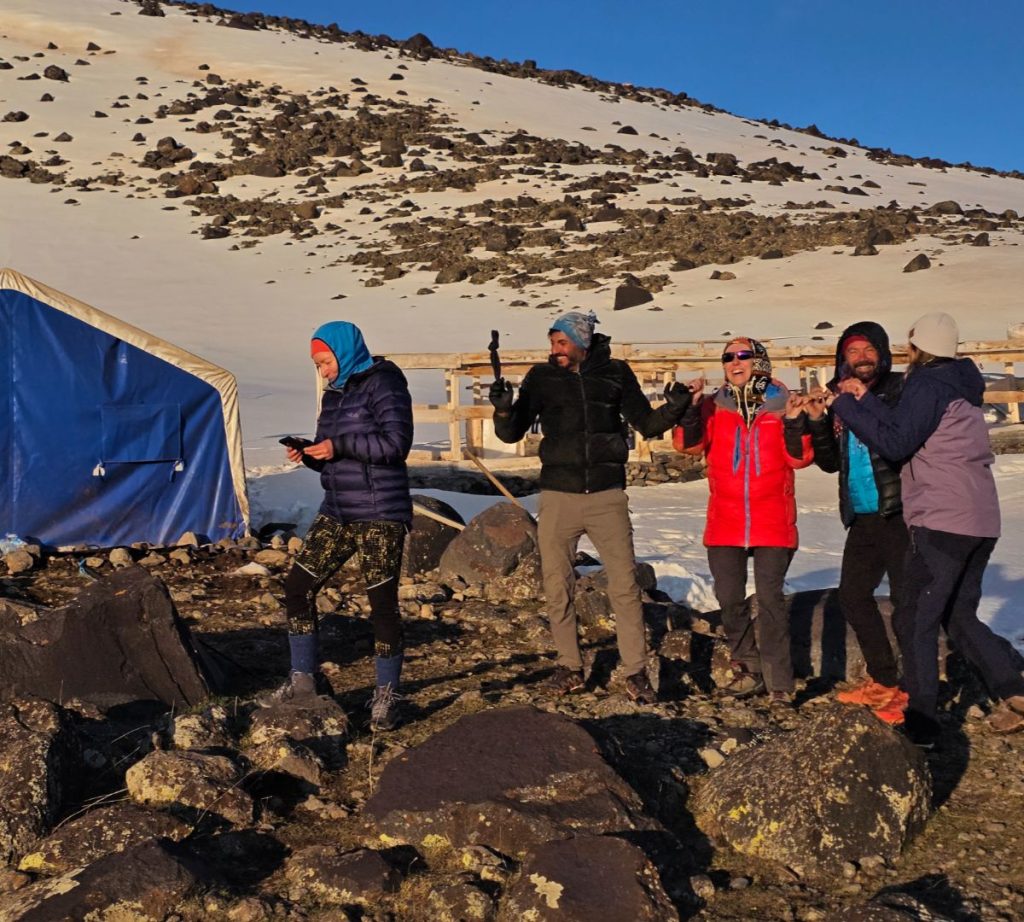
What is the accommodation like during the expedition? Accommodation is in tents.
What should I do if I feel unwell during the ascent?
If you experience any health issues, please inform the guide immediately. The guide will decide on the next course of action based on the nature of the problem.
Equipment needed to conquer Ararat:
Footwear: Trekking shoes with durable soles, approach boots
Clothing: Thermal base layers, fleece jacket, down jacket, warm trekking socks, trousers (for day hiking), T-shirts, jacket (Supratex or Gore-Tex), summit pants (Supratex or Gore-Tex)
Mountaineering gear: 50–60L backpack or large duffel bag (for horse transport), 30–40L daypack, sleeping bag (comfort rating 0–10°C), sleeping mat, crampons, glacier glasses, hat, neck gaiter, gloves (lightweight and heavy-duty; mittens also acceptable), headlamp, trekking poles
Other: Batteries, toiletries (toothbrush, shampoo, sunscreen, wet wipes, etc.), thermos, first aid kit + personal medication, portable power bank(s)
